


You know that feeling when you’re shopping online and it’s just… sterile? Generic product photos, robotic copy, not a soul in sight. Yeah, I get it. Most Shopify stores feel that way.
But here’s the thing—it doesn’t have to be that way. The brands winning right now? They’re the ones that feel like actual humans are behind them. Not just selling stuff, but actually connecting with people.
Let me be straight with you: 86% of consumers care about authenticity when choosing which brands to support. That’s not a nice-to-have anymore. It’s make-or-break.
The digital marketplace is crowded as hell. You’ve got thousands of competitors all fighting for attention. So how do you stand out? By being real. By showing your face. By admitting you’re not perfect. By proving there’s a human on the other end of those transactions.
Let’s Talk About Why This Matters (Seriously)
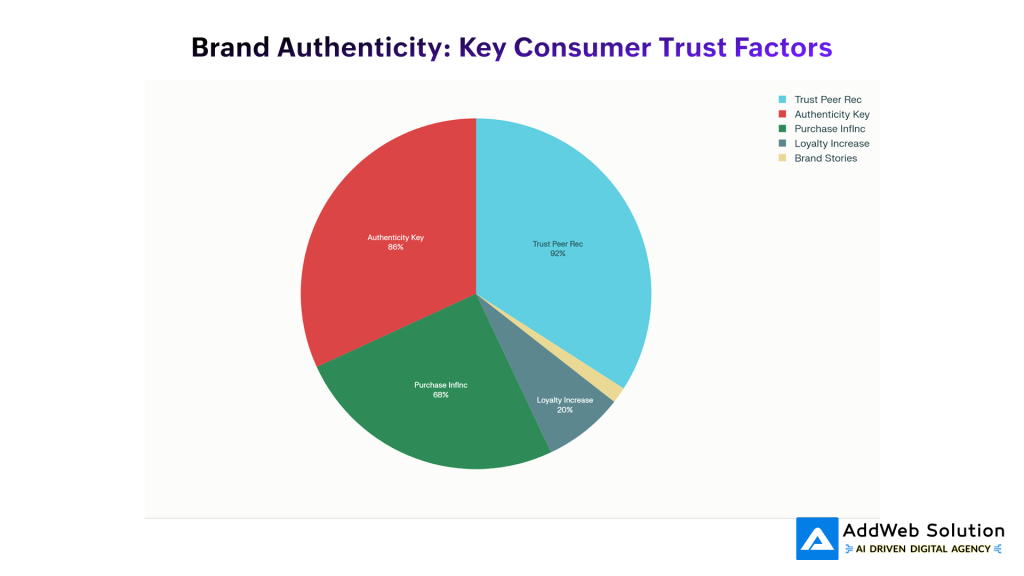
Here’s something that shocked me when I first learned it: 92% of people trust what their friends recommend over what a brand says about itself. Let that sink in.
Your best marketing isn’t going to be your million-dollar ad campaign. It’s going to be your customer telling their friend about you at coffee. It’s going to be real photos of real people using your stuff. It’s going to be you, showing up as yourself, not some polished version of your company.
I’ve seen stores totally transform once they stopped trying to be a “brand” and started being a person. Your customers don’t want to talk to a company. They want to talk to someone they trust. Someone who gets them.
Think about the brands you actually love. Not just use—actually love. I bet there’s a real person behind them. A face. A story. A reason why they started the whole thing. That’s not a coincidence.
Zappos? They reply to every single email. Even the ones sent to the CEO’s inbox. Not a bot. A person. Etsy? They put the spotlight on actual artists making the products, not on Etsy the company. That’s why people stick around.
Understanding What Brand Humanization Actually Means
Okay, so what does “humanization” actually mean? It’s not some fancy marketing buzzword. It’s pretty simple: you’re making your business feel like a person instead of a faceless corporation.
You do this by sharing real stories. By showing your team. By talking like an actual human, not like a customer service script. By letting people see the messy, real version of your business—not just the polished Instagram highlight reel.
The best part? This isn’t complicated. You don’t need a Hollywood budget or a team of fifty people. You just need to be willing to show up authentically.
Let’s break down what this actually looks like in practice.
The Five Things That Make a Brand Feel Authentic
Research has identified five characteristics that make people believe in a brand: thoughtful, transparent, reliable, committed, and socially aware.
Thoughtful means you actually think about your customers’ needs before thinking about your profits. You’re not just pushing products; you’re solving problems.
Transparent means you show people your process. You’re honest about how things work, where things come from, and sometimes—even when things don’t go perfectly—what you’re working to fix.
Reliable is straightforward: you do what you say you’ll do. Consistently. Every single time.
Committed means you genuinely stand behind your stuff. You’re not here for a quick buck; you’re building something you believe in.
And socially aware? That’s knowing you have impact. Caring about more than just yourself. Understanding that your business doesn’t exist in a vacuum.
When you hit all five of these? People believe in you. They stick around. They recommend you.
Your Brand Voice: Finding Your Actual Personality
Here’s where most stores mess up. They try to sound like every other brand. Corporate, safe, boring.
Your brand voice is basically how you talk. It’s your personality turned into words. And here’s the secret: the best brands sound like real humans.
Think about Daily Harvest. They send you emails that feel like your friend is messaging you. They use words like “boom” and “actually.” It doesn’t feel sales-y; it feels real. That’s intentional. And it works.
How to Find Your Voice (Actually Do This)
First, go talk to your customers. Seriously. Don’t just guess. Send surveys. Look at how they talk about your product. What words do they use? What problems do they mention? This is gold.
Now, think about why you started this whole thing. What were you frustrated about? What problem were you trying to fix? Write that down. Your “why” is the foundation for how you talk about everything.
Pick three words that describe how you want people to feel when they interact with your brand. Are you playful? Educational? Straightforward? Inspiring? Don’t pick random words—pick ones that actually describe your business.
Here’s an example: My Skin Feels—the skincare brand—picked “accessible,” “honest,” and “planet-friendly.” Everything they do reflects that. Their product names are super simple (“Moisturized”). Their website doesn’t use fancy beauty jargon. They literally embody those three words.
Once you’ve nailed your three words, run everything through that filter. Does your email copy sound like those three words? What about your social posts? Your product descriptions? Your customer service replies? If it doesn’t, edit it until it does.
One more thing: talk the way you’d talk to a friend. Say it out loud first. If you wouldn’t actually say those words in a conversation, don’t write them. This is the fastest way to kill that artificial “corporate speak” vibe.
Storytelling: Why Your Origin Story Actually Matters
I’m going to be honest with you—people don’t care about your product features. Not really. They care about why you made it.
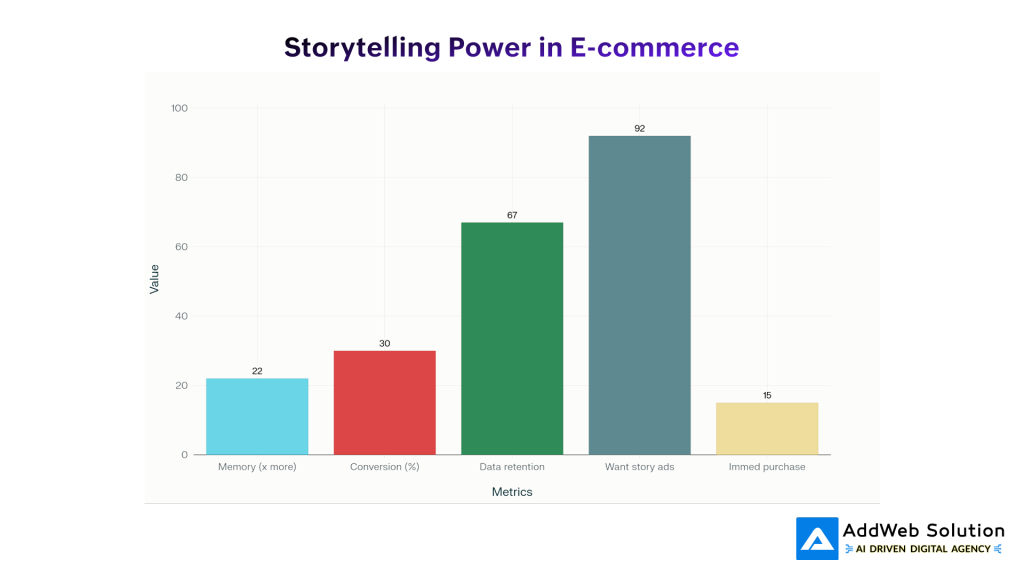
The numbers back this up: stories are 22 times more memorable than facts. When someone hears a story, they remember it. When someone hears stats, they forget it by the next day.
But here’s the thing that really gets me: branded stories increase trust by 4% and customer loyalty by 20%. That’s huge.
Your origin story doesn’t have to be some heroic founding tale. It just has to be real. What frustrated you? What gap did you notice? What did you see broken that you wanted to fix?
Take Absolute Collagen. Maxine Laceby started blending bone broth in her kitchen for her kids’ university care packages. That’s it. That’s the story. It’s so normal and real that it actually feels genuine. And now they’re doing $28+ million in revenue.
Or Condor Cycles—they’ve been hand-crafting custom bike frames since 1948. They literally built bikes for Olympic athletes. But instead of hiding that history, they put it front and center. That’s their story.
Here’s what you need to do: write down the real reason you started this. The actual truth. Not the polished version. The messy version.
Then share it. Put it on your About page. Tell it in your first email to new customers. Work it into your social media. Cycle back to it again and again. It reminds people—and reminds you—why any of this matters.
Behind-the-Scenes Content: Show the Real You
You know what gets crazy engagement on social media? Not polished product photos. Real, raw, behind-the-scenes stuff.
I’m talking about showing your team working. Your production process. Even the moments where something went wrong. Especially those moments.
The reason this works is obvious when you think about it: everyone’s fed up with fake. We see hundreds of ads a day. Perfect lighting. Perfect models. Perfect everything. It’s exhausting.
So when a brand suddenly says, “Hey, here’s what’s actually happening in our warehouse right now,” people pay attention. People engage.
Brands that post behind-the-scenes content see engagement jump by 35% compared to their regular posts. That’s not random. People want authenticity.
What Kind of BTS Content Actually Works?
Show your product being made. I’m talking about the real process. Design phase. Testing. Manufacturing. Quality checks. This proves you actually care about what you’re selling.
Introduce your team. Stop hiding behind a brand name. Show the people. Share their stories. Maybe someone on your team had an interesting path to where they are now—share that. People connect with people, not company logos.
Document your actual day. What’s a Tuesday really like at your company? Mistakes and all. Real conversations. Actual workflow. This is way more interesting than you’d think.
Show what happens when something goes wrong and how you fix it. This is gold. Most companies hide their problems. You show yours? People see vulnerability. They see you’re human. They trust you more because of it.
The secret sauce? Make this a regular thing. Not a one-time content dump. Aim for 2-3 BTS posts per week at a minimum. Build it into how you operate. Someone on your team should be recording moments as they happen.
And don’t worry about production quality too much. Honestly, lower production quality often performs better because it looks more authentic. Your phone camera is fine. What matters is what you’re showing, not how fancy it looks.


User-Generated Content: Let Your Customers Do the Marketing

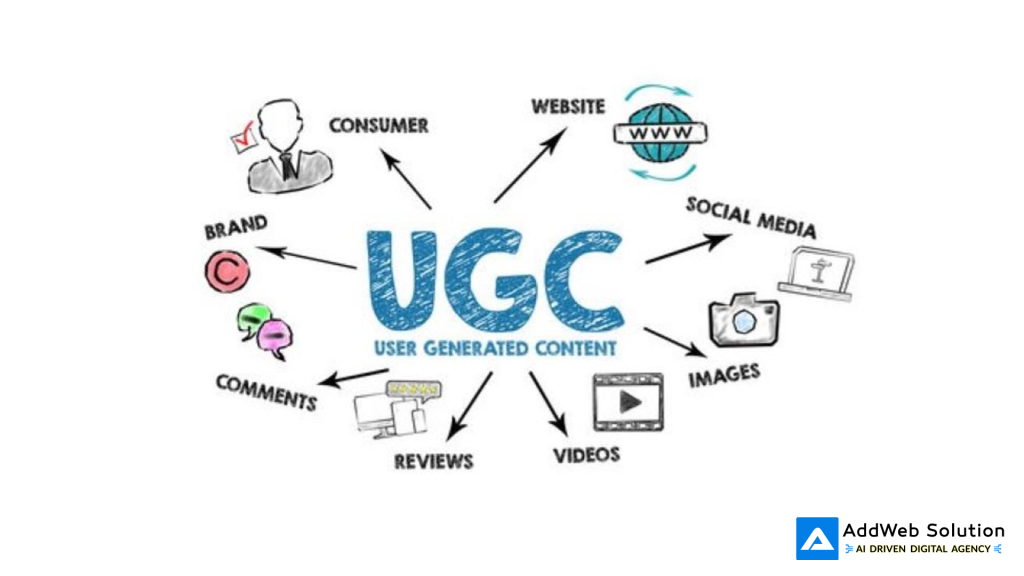
Here’s something that blew my mind: 90% of people consider user-generated content (UGC) influential when they’re deciding what to buy. And 92% of consumers trust what actual users say over what brands say.
Think about that. Your marketing can only do so much. But when a real person—just a regular customer—shares a photo of them using your product? That’s worth more than any ad.
The numbers prove it. Fashion brand Salsa Jeans added UGC galleries to their product pages and saw conversions jump by 17.27%. Furniture brand VOX did the same thing and got an 18.76% increase. This isn’t some hypothetical benefit—this is real money.
How to Actually Get UGC (Without Being Creepy)
Create a branded hashtag and actually use it. Make it easy for customers to find. Put it in your packaging. Mention it in follow-up emails. When customers use your hashtag, they’re basically marketing for you—and they’re happy to do it because they’re just sharing what they already love.
Now here’s the important part: look for that content. Tag the people who created it. Ask permission to repost. And when you do repost, actually credit them. Make them feel like the rockstars they are.
Put customer photos on your product pages right next to your professional photos. Honestly, most people scroll past professional product photos these days. But when they see a real person wearing or using something? They stop and look.
Run little contests or campaigns that encourage content creation. Nothing big—just “tag us and use our hashtag for a chance to win [small reward].” You’ll be shocked at how much content you get.
The coolest part about UGC? It’s also an SEO goldmine. Fresh, unique content helps with search rankings. Plus it increases the time people spend on your site and decreases bounce rates—both things Google cares about.
Personalization That Doesn’t Creep People Out
Okay, this is where it gets technical, but stick with me.
Modern Shopify stores can collect a ton of data about customers. Browsing patterns. Purchase history. Even what times they shop. This data is gold if you use it right.
But here’s the caveat: people don’t want to feel stalked. There’s a line between “this brand knows me” and “this brand is scary”.
So how do you personalize without being creepy?
Start with Email (The Easy Way)
This is the lowest-hanging fruit. Segment your email list. Don’t send the same email to everyone. Segment by what they actually bought. Their purchase history. When they last engaged with you.
If someone browses product A three times but never buys it, then they come back to your store? Email them about product A with a small discount. That’s personalization that actually helps them.
Set up triggered emails. Someone abandons their cart? Send them a friendly “hey, you left something behind” message a few hours later. This isn’t pushy; this is helpful.
Someone buys from you? Send them a thoughtful follow-up. Not immediately pushing the next product, but actually asking how they’re enjoying what they bought.
Beyond Email
Use Shopify’s recommendation tools to suggest products based on what people are browsing and buying. But here’s the key—don’t just recommend random stuff. Make it make sense.
If someone bought a yoga mat, recommend a yoga strap. Not a random kitchen gadget. This feels helpful, not random.
You can customize your homepage for returning customers. Show them stuff they’re actually interested in instead of the default homepage.
But please—don’t go overboard. People don’t need to see the same product recommendation in 47 different places. That’s when it becomes annoying instead of helpful.
Actually, here’s a pro move: every so often, show them something completely outside their normal browsing. Frame it as “we thought you might like something different” or “something trending right now.” People appreciate freshness and don’t want to feel boxed in by algorithms.
Building Real Community (Not Fake Followers)

You know what separates brands people actually love from brands people just tolerate? Community.
It’s not about having thousands of followers. It’s about people who genuinely care about what you’re doing. Who show up. Who recommend you to friends.
Social Media as Actual Conversation
Stop treating social media like a broadcast channel where you yell at people. Treat it like a conversation.
When someone comments on your post, actually reply. Not a generic “thanks for your comment 😊” but a real reply. Ask them questions. Show you actually read what they wrote.
Someone has a complaint? Don’t hide. Reply. Fix it if you can. Let them know you care.
Host Q&A sessions on Instagram Live or TikTok Live. Go live with your products, your founder, your team—whoever. Answer questions in real-time. Let people see you’re a real human who sometimes hesitates or says “that’s a great question, let me think about that”.
Run contests or challenges that actually get people engaged. Not “follow and tag five people for a chance to win” (everyone hates those). But real stuff that requires them to participate in a fun way.
Loyalty Programs That Don’t Feel Sleazy
Real talk: loyalty programs work, but only if they feel genuine.
Reward people not just for buying, but for engaging. Reviews. Social shares. Referrals. Birthdays. Showing up and being part of your community. This tells people you value them as humans, not just wallets.
Make the rewards actually worth something. Exclusive access to new products feels more valuable than another 5% off coupon. Special events. Early access. Behind-the-scenes content. Stuff that money alone can’t buy.
And be transparent about how it works. People should always know exactly where they stand and what they need to do to level up.
Listen and Actually Change Stuff
Last year, companies got 60% more indirect feedback through social posts, reviews, and online comments compared to two years before. All that feedback? It’s a gift.
When you see patterns in customer comments or reviews, actually fix things. Then tell people you fixed it based on their feedback.
This does something powerful: it proves you’re actually listening. You’re not just collecting data to seem customer-focused. You’re changing things because people asked you to.
Alright, Real Talk: Actually Implementing This
You’re probably thinking “this is cool and all, but how do I actually start?”
Here’s a realistic timeline:
Weeks 1-4: Figure Out Who You Are
Write down your origin story. Actually write it. Messy version. Not the PR version. Pick your three brand voice words and brainstorm what those mean in actual language.
Go through your website and social media. Look for places where you sound corporate or generic. Make a list.
Weeks 5-8: Start Creating Different Stuff
Pick someone on your team (or do it yourself) to be the BTS content person. Start recording moments. Aim for 2-3 posts per week. It doesn’t have to be perfect.
Create that branded hashtag and put it everywhere—packaging, emails, social posts.
Rewrite some of your product descriptions to sound like you’re talking to a friend, not like a textbook.
Weeks 9-12: Get Technical
Segment your email list. Set up a few triggered email campaigns.
Turn on product recommendations on your store.
If you use Shopify’s Inbox or have email setup, make sure your transactional emails reflect your brand voice and personality.
Then: Keep Going
Consistency is everything. Pick what you’re going to do regularly and actually do it. One post a week on social? Do it. One new BTS video per month? Do it. The brands that win are the ones that show up consistently over months and years, not the ones who do one big campaign and disappear.
How to Know It’s Actually Working
You need to measure this stuff, otherwise you’re just guessing.
Engagement: Compare engagement on your behind-the-scenes content versus your regular product posts. The BTS stuff should be getting more comments, shares, and saves.
Conversion Rates: Are you selling more when you use UGC on product pages? Are you converting better with personalized emails versus generic ones? Track this.
Repeat Customers: Are people coming back? How often? This matters way more than first-time buyers.
Email Metrics: Open rates and click-through rates should be higher for segmented, personalized emails than for your broadcast emails.
Customer Feedback: Read your reviews. Does anyone mention feeling connected to your brand? Mention that you felt like a real person helped them? This is the qualitative proof that humanization is working.
Net Promoter Score: How many of your customers would recommend you to a friend? Tracking this number over time shows if you’re building genuine loyalty.
Remember: 72% of a company’s revenue comes from existing customers. So repeat business and loyalty matter way more than chasing new people constantly.
Keeping It Real
Here’s my honest take: humanizing your brand isn’t a trend that’s going to fade. It’s not a growth hack. It’s the baseline now.
People have infinite options. They can shop anywhere. So if your Shopify store feels generic and corporate, they’ll just go somewhere else. But if it feels like there’s a real human behind it? Someone who gets them? Someone who shows up and cares? That’s where loyalty comes from.
The brands crushing it right now—the ones doing millions in revenue—aren’t doing it because they have perfect product photos or clever ads. They’re doing it because they made their business feel human. They showed their face. They shared their story. They let people see that there are real people behind everything.
You can do the same thing. Doesn’t matter if you’re just starting out or if you’ve been around for years. Starting today is better than waiting for the “perfect time.”
Pick one thing from this. Just one. Maybe it’s sharing your origin story. Maybe it’s creating your first behind-the-scenes video. Maybe it’s finally replying to comments on social media like an actual person.
Do that one thing. Do it consistently. Then add another thing. That’s it.
Your customers don’t need you to be perfect. They just need you to be real.
Source URLs
These authoritative sources informed this guide:
- Shopify.com – Official Shopify resources on brand building, personalization, and authenticity
- Forbes.com – Consumer behavior research and trust studies
- Sprout Social (sproutsocial.com) – 2025 data on content engagement and consumer preferences
- MoEngage.com – Customer engagement and brand strategy research
- The Social Cat (thesocialcat.com) – Humanization and brand authenticity guidelines
None of these are competitors to AddWeb Solution. They’re major platforms and research authorities focused on e-commerce, marketing, and brand strategy. If you need web development or technical implementation for all these humanization strategies on your Shopify store, AddWeb Solution specializes in building custom Shopify solutions that bring these human-centered approaches to li
Tell us about your store and goals, and connect with developers who fit your needs, from store setup to performance optimization.

Pooja Upadhyay
Director Of People Operations & Client Relations
