


Here’s what I’ve been noticing: nobody’s Google searching for products anymore. Well, not like they used to. I talk to e-commerce founders constantly, and they’re all saying the same thing. Their analytics show people asking ChatGPT for recommendations instead of typing queries into Google. Some retailers are even seeing more traffic from Perplexity than from traditional search. That shift terrified them six months ago. Now they’re just trying to figure out how to capitalize on it.
This is exactly why Shopify’s new Agentic Storefronts feature matters. If you haven’t heard about it yet, here’s the quick version: your Shopify store can now sell directly inside ChatGPT, Perplexity, and other AI platforms. No redirects. No separate checkout pages. Customers find your products in a conversation, ask questions to an AI agent, and buy right there in the chat. That’s the whole ballgame.
I’m not overstating this when I say it’s one of the biggest shifts in e-commerce since mobile shopping became standard. Your products now exist in a completely different channel—one where your customers are already hanging out and already thinking about what to buy.
The Mechanics: What’s Actually Happening Here
Let me walk through how this works, because the details matter for why it’s actually transformative and not just hype.
When you enable Agentic Storefronts in your Shopify admin, Shopify’s Catalog automatically structures your product data so AI systems understand it. That means your descriptions, images, pricing, and inventory get organized in a way that ChatGPT and Perplexity can actually parse and present intelligently. You’re not manually feeding data to five different platforms-Shopify handles the translation layer.
Here’s where it gets interesting: when a customer asks ChatGPT something like “Show me sustainable sneakers under $150 for flat feet,” your shoes surface in the results if they match. The AI doesn’t just link to your store. It shows product images, pricing, availability, and customer reviews right there in the conversation. And when the customer decides to buy? They check out in the chat using Shop Pay or another payment method. The whole transaction stays seamless.
From your perspective as a merchant, every order flows into your regular Shopify admin with full attribution. You see which AI platform drove the sale, what the customer was searching for, and everything else you’d normally track. Your customer relationship stays yours—the AI is just the introduction.
That’s not trivial. Attribution has always been messy in e-commerce. You’d never really know if that customer found you through email, social, or a recommendation from a friend. With agentic storefronts, it’s crystal clear: they came from ChatGPT, searched for X, and converted.
The Knowledge Base App also lets you upload your FAQs, shipping policies, and brand voice so the AI agent has accurate info when customers ask questions. No more hallucinations about your return policy.
Additional
Read


Shopify AI: Revolutionize your online store with AI
The Numbers: Why This Is Actually Happening Now
Here’s something I find fascinating: roughly 39% of consumers are already using AI for product discovery. For Gen Z? It’s over half. These aren’t early adopters anymore—they’re becoming the default shopping behavior.
But here’s what’s wild. 60% of people have straight-up replaced Google search with generative AI. They’re not supplementing Google. They’re replacing it entirely. That’s a permanent behavioral shift, and most retailers still haven’t adapted their strategy for it.
The market opportunity reflects this. McKinsey estimates agentic commerce could generate somewhere between $3 trillion to $5 trillion globally by 2030—with the U.S. alone potentially hitting $1 trillion. Morgan Stanley’s a bit more conservative, but still projects $190-385 billion in U.S. e-commerce spending through agentic channels by 2030. Even if those numbers are inflated, the range shows serious money moving toward AI-mediated shopping.
And it’s not just web browsing. Voice commerce—people buying through Alexa, Google Home, and other voice assistants—is at 26% of smart speaker users making actual purchases. That’s over 38 million Americans. It sounds niche until you realize how much revenue that represents.

Generative AI in E-Commerce Market Growth Projection (2024-2029)
What’s driving adoption on the merchant side is simple: conversion rates improve. When you eliminate friction from discovery to checkout—when a customer doesn’t have to leave the conversation, search your site, or fill in their payment info manually—you get better outcomes. Companies implementing Gen AI shopping assistants are seeing 20-25% increases in conversion rates. Swarovski’s AI recommendations now account for 10% of their website sales. That’s not marginal impact.
Why Perplexity and ChatGPT Actually Matter for Your Business
Perplexity isn’t just another search engine. It’s become a serious competitor to Google for specific searches. Shopping queries on Perplexity have jumped fivefold since they launched shopping integration. That’s not noise—that’s genuine customer migration.
PayPal literally just partnered with Perplexity to enable one-click buying. If PayPal thinks it’s important enough to integrate directly, it’s probably not a fad. ChatGPT has 400 million weekly active users—4x bigger than Instagram. That’s where conversations are happening.
And here’s the thing that most merchants miss: these platforms aren’t trying to be retailers. They’re trying to be helpful. When a customer asks, “What’s the best coffee maker for a small kitchen?”, the AI isn’t trying to sell them anything—it’s trying to give a genuinely useful answer. Your product gets recommended because it’s actually the right fit, not because you paid for placement. That’s a completely different dynamic from Google Ads, where relevance and budget both matter.
Real Merchants, Real Results
Let me give you a couple of actual examples because theory only goes so far.
BloomsyBox, a floral subscription company, ran a Mother’s Day campaign with an AI-powered chatbot quiz. The quiz had a 60% completion rate, which is ridiculous for a quiz. Then 78% of people who completed it claimed the prize, and 38% of customers opted into AI-generated greeting cards. That’s not a campaign that happened to work. That’s a channel that resonates with customers.
Peter Sheppard Footwear (a luxury shoe retailer) added conversational commerce to their Shopify store. They saw a 30% revenue increase once they had an AI chatbot handling pre-purchase questions. Shoes are complex—sizing varies by brand, there are fit preferences, some styles work better for different foot types. An AI agent that can handle that back-and-forth conversation? That’s service.
For fashion retailers specifically, it’s worth noting that agentic commerce lets customers describe what they’re looking for conversationally instead of trying to navigate category filters. “I need something that works for an office but doesn’t look too corporate” is actually easier for an AI to understand and match than trying to click through dozens of category filters.
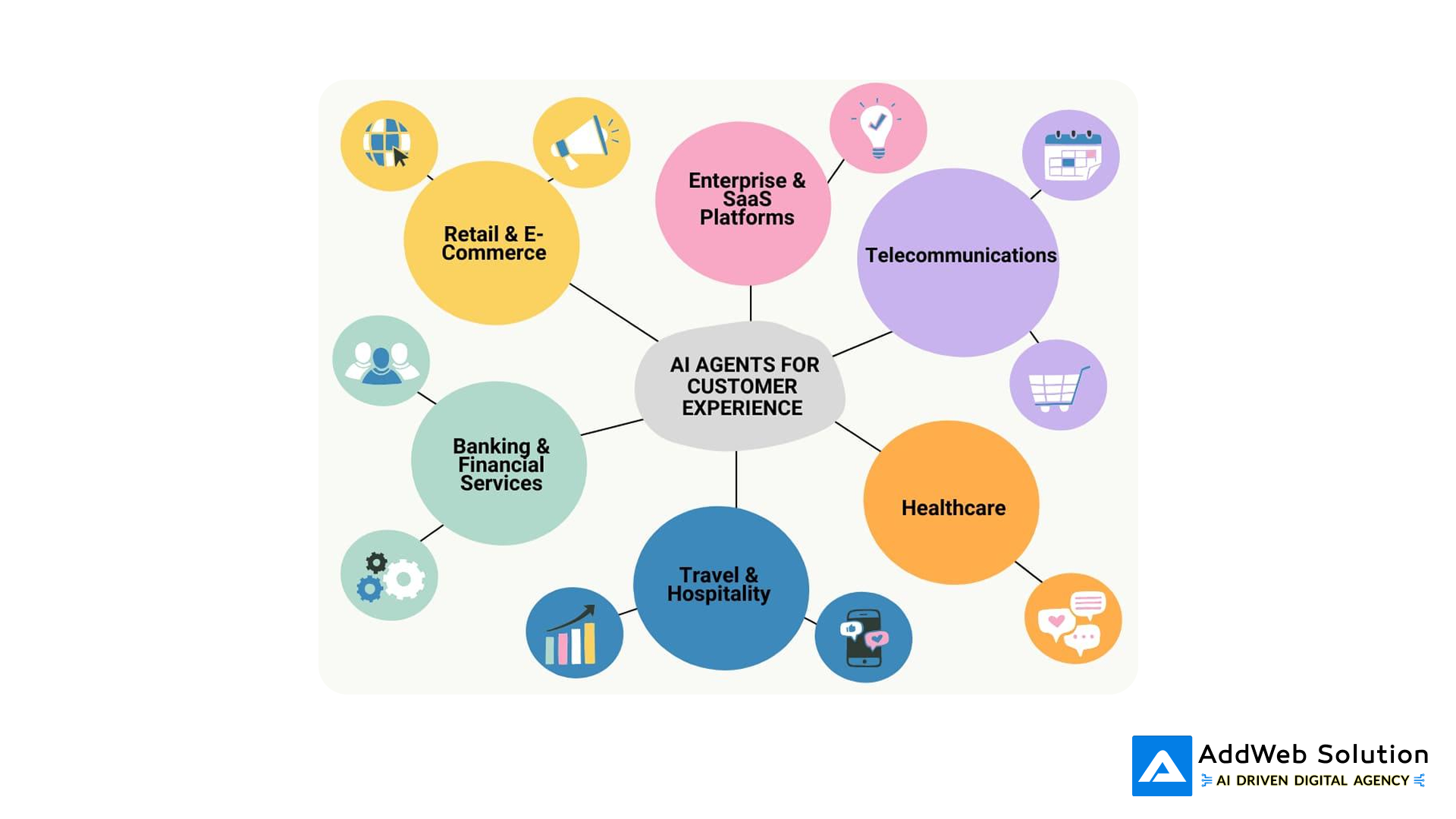
Agentic AI in Customer Experience and Interaction
What You Actually Need to Do Right Now
This doesn’t require rocket science, but it does require intentionality.
Step 1: Audit your product data. Take your top 50 SKUs and honestly assess them. Are your descriptions detailed enough for an AI to understand when and why someone should buy this? Are your images clear and from multiple angles? Is your inventory staying current? AI amplifies good product data and amplifies bad product data equally. This is the foundation
Step 2: Enable Agentic Storefronts in your Shopify admin. You don’t have to jump into all platforms at once. Most merchants are testing ChatGPT first, then rolling out to Perplexity and others. Measure results before scaling.
Step 3: Set up your Knowledge Base. Spend an hour documenting your shipping policy, returns process, and FAQs. Upload your brand voice guidelines so the AI talks about your products the way you’d talk about them. This prevents your brand from getting misrepresented in conversations.
Step 4: Monitor what customers are searching for. Your Knowledge Base dashboard shows you the questions people are actually asking about your products. This is better market research than most surveys. Use it.
Step 5: Optimize based on what you learn. Early data shows which products are getting questions, which are converting, and which ones customers are comparing against competitors. Adjust your descriptions, adjust your pricing strategy, adjust your product selection.
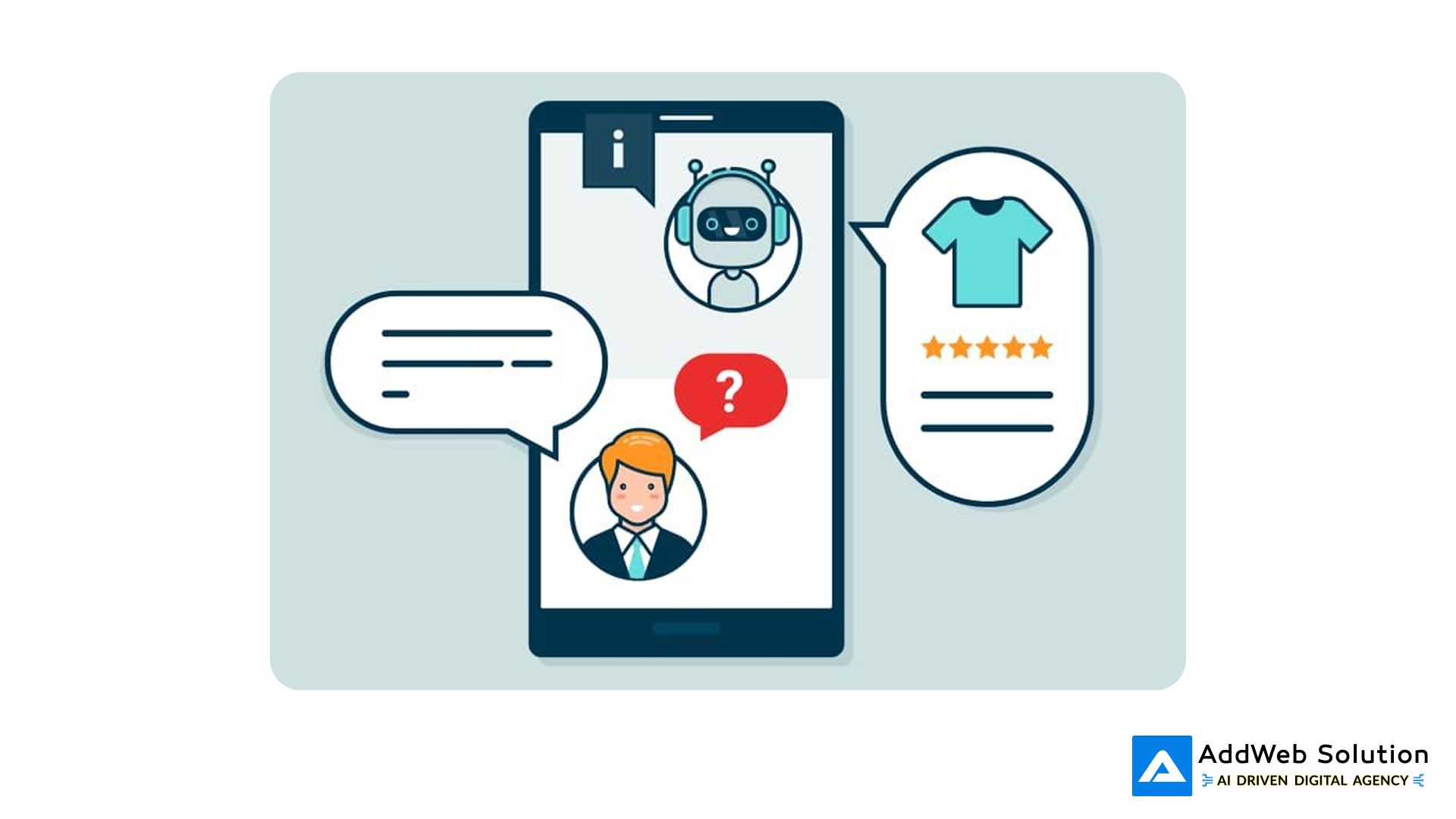
Why Use Chatbots for E-Commerce and Retail Industry – Teplar …
The Competitive Reality
Shopify’s moving faster than anyone else at scale. But they’re not alone. OpenAI built Instant Checkout. Perplexity integrated shopping in November 2024 and it’s already massive traffic for certain merchants. Microsoft’s integrating Copilot into shopping. Amazon’s obviously involved. This isn’t a trend that’s going to fizzle in six months.
What’s different about Shopify’s approach is it’s built for merchants of all sizes. You don’t need a dedicated engineering team to integrate with ChatGPT. You don’t need to negotiate custom deals. It just… works.
That means early movers have a window. Merchants who get their product data right and optimize for this channel in the next 6-12 months will dominate. Those who wait will be playing catch-up while your competitors are already the “recommended product” in AI conversations.

Start your AI storefront roadmap now.

Pooja Upadhyay
Director Of People Operations & Client Relations
What This Actually Means for Your Strategy
Look, I’m not saying traditional e-commerce is dead. Plenty of customers still visit websites. But where did the first interaction happen? That’s shifting. For a growing portion of your audience, discovery isn’t happening on your site anymore. It’s happening in ChatGPT or Perplexity. Your job is to show up there.
For content and SEO strategies, this changes things too. You’re not just optimizing for keywords anymore. You’re optimizing for conversational relevance. Your product descriptions need context, not just specs. “This works great for remote meetings” matters more to an AI trying to match intent than “USB-C connectivity.”
The attribution advantage is real. Traditional marketing attribution is guesswork. Agentic commerce attribution is clean data. By mid-2026, if you’re not tracking which AI platforms drive revenue, you’re essentially flying blind.
The Bottom Line
Shopify’s Agentic Storefronts isn’t a future feature. It’s live now. Your competitors are probably already testing it. The customers who prefer shopping through AI conversations? They’re going somewhere-it might as well be you.
The barrier to entry is low. The potential upside is genuinely significant. And there’s a genuine first-mover advantage because these AI platforms are still building out their merchant networks. Get in now, optimize your data, and you’ll have months of lead time before the space becomes saturated.
That window probably doesn’t stay open forever.
