


By 2026, zero trust will no longer be optional for serious Laravel platforms, especially those powering AI-driven features like chatbots, predictive forms, and intelligent dashboards. Zero-Trust 2.0 adds continuous AI-assisted verification and policy-as-code integration to the traditional “never trust, always verify” model.
With 96% of organizations favoring zero trust and 81% planning to implement it within 12 months, your Laravel team needs to act now. Here’s what you need to know and do.
Why Zero-Trust 2.0 Matters Now
The enterprise mandate
Modern security surveys tell a clear story:
- 96% of organizations favor a zero trust approach.
- 81% plan to implement zero trust within 12 months.
- 65% expect to replace VPNs in that timeframe.
At the same time, AI adoption among developers has hit 84%, with 51% using AI tools daily in their workflows. This convergence creates an urgent reality: your Laravel apps will soon be targets for AI-accelerated attacks unless you modernize your security posture now.
Organizations with mature zero trust programs report 42% fewer security incidents on average, along with reduced incident response times and better workload protection. For Laravel teams in hybrid or multi-cloud environments, this is not theoretical, it directly impacts your platform’s resilience.


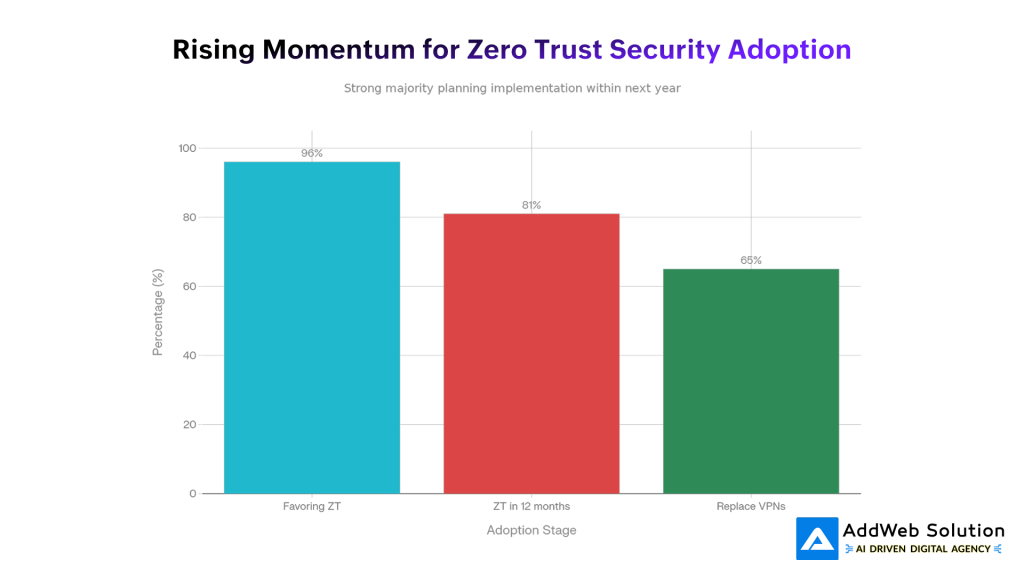
Enterprise shift toward Zero Trust by 2026
The AI pressure
AI is both enabling innovation and accelerating threats:
- 88% of organizations use AI regularly, with 71% using generative AI in operations.
- AI-driven attacks now exploit systems at machine speed, cracking common passwords in under 10 seconds.
- Over 85% of breaches involve compromised credentials, making static password-only auth dangerously weak.
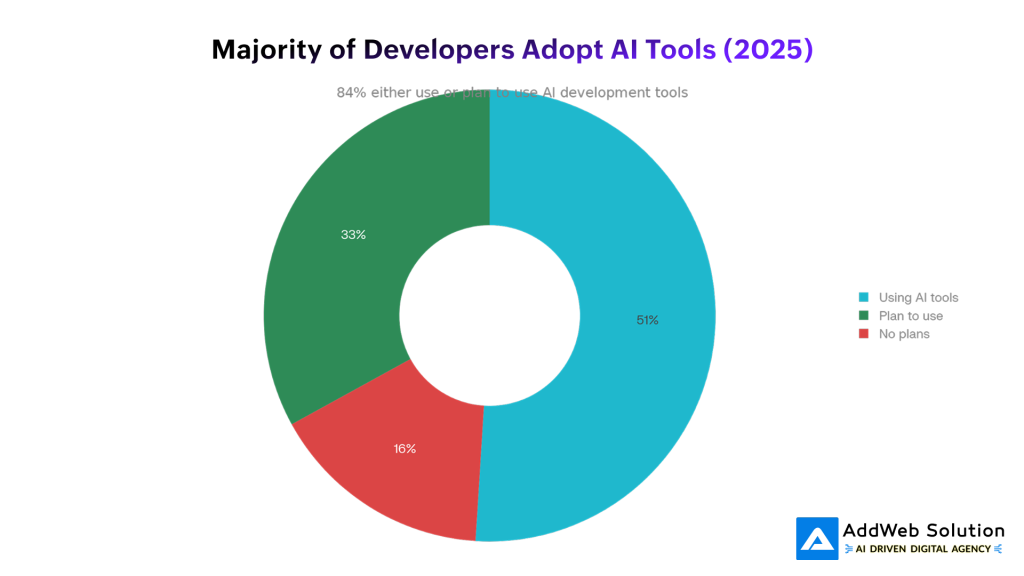
AI tool adoption among developers in 2025
For Laravel teams building AI-enhanced applications, this means every endpoint, token, and role assumption will be tested faster and more systematically than ever before.
What Zero-Trust 2.0 Actually Looks Like
Zero-Trust 2.0 shifts from “trust internal networks” to “verify every request in context.” Here’s how it differs from legacy models:

This is identity-centric, context-aware, and automation-first, and Laravel’s modern stack naturally supports it when used deliberately.
How Laravel Aligns with Zero-Trust 2.0
Laravel already provides the building blocks; you just need to connect them strategically:
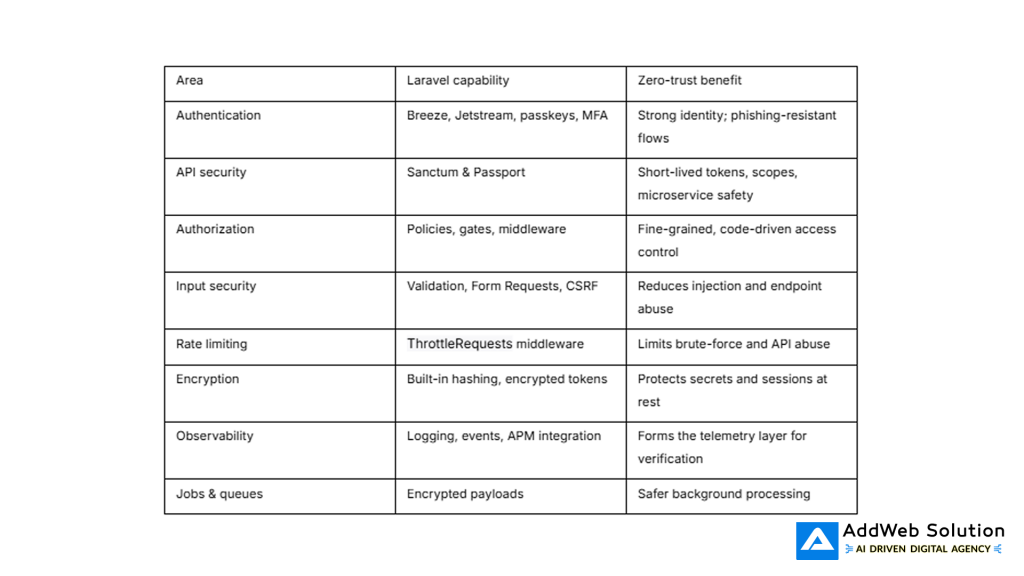
The missing piece for most teams is tying these together into a coherent zero-trust architecture that spans your entire lifecycle.
The 2026 Checklist: Four Critical Updates
1. Modernize authentication: MFA, passkeys, and risk-aware sessions
Why: Password-only authentication with long-lived sessions is easy prey for AI-based credential stuffing and phishing.
Actions:
- Enforce MFA for admins and high-privilege users using Jetstream or dedicated packages.
- Introduce passkeys/WebAuthn for critical roles to withstand phishing.
- Shorten session lifetimes and require re-authentication for sensitive actions:
- Changing email or password
- Rotating API keys
- Accessing sensitive AI panels or datasets
Laravel patterns: Use guard-level configuration to separate public, user, and admin sessions. Implement middleware for step-up authentication. Deploy breached-password checks through services like Have I Been Pwned.
Key takeaway: by 2026, assume credentials will be stolen, and your app must still be safe.
2. Move to token architectures with proper scoping (Sanctum & Passport)
Why: Zero trust requires identity- and context-based access, not network location. Laravel’s API auth stack excels here when properly scoped.
What to use:
- Laravel Sanctum for SPAs, mobile apps, and internal dashboards:
- Database-backed API tokens (hashed).
- Built-in CSRF protection.
- Ability-based tokens with precise permissions.
- Laravel Passport for OAuth2, multi-tenant APIs, and third-party integrations:
- Access + refresh tokens with short lifetimes.
- Scopes for granular client permissions.
- Token revocation and client management.
Key actions:
- Eliminate ad-hoc personal access tokens; standardize on Sanctum/Passport.
- All tokens must be short-lived; use refresh flows instead of permanent access.
- Use scopes/abilities aggressively:
- A chatbot API token should not manage users.
- A predictive form service should only see required fields, never full user records.
3. Tighten authorization: policies and least privilege
Why: Broken access control remains a top OWASP risk, especially as systems grow distributed and AI features access sensitive data.
Actions:
- Use Policies for all domain objects, not just quick controller checks:
- Define what each role can do: view, update, delete, export, attachAiModel, etc.
- Ensure AI-related actions go through explicit policy checks.
- Adopt least-privilege permissions:
- Avoid “admin can do everything”; prefer granular, composable permissions.
- Implement dedicated roles for AI agents with narrowly scoped capabilities.
- Separate machine and human identities:
- AI services and background agents must have their own tokens, never reuse user tokens.
- Constrain machine identities heavily: IP restrictions, rate limits, time windows.
Key takeaway: if one token is compromised, zero trust expects the blast radius to be small by design.
4. Integrate zero trust into CI/CD and add AI-assisted monitoring
Why: Insecure pipelines and slow patches are now major breach vectors, especially in AI-heavy stacks where dependencies move fast.
Pipeline updates:
- Use separate service accounts with least-privilege permissions for CI tasks.
- Externalize secrets into managed vaults (Vault, AWS Secrets Manager); rotate frequently.
- Enforce policy-as-code before deployments: no debug mode in production, HTTPS enforced, secure cookies.
- Integrate SAST and dependency checks into every merge request.
- Guard non-production environments with zero-trust controls too.
Monitoring & automation:
- Centralize structured logs from Laravel, including AI interactions.
- Feed into AI-powered detection tools for anomaly detection and behavioral analytics.
- Automate responses: revoke tokens, flag accounts, or require step-up auth when anomalies are detected.
Result: your Laravel app runs in a zero-trust environment, and the way you build it is zero-trust–aware too.
Zero-Trust AI Use Cases in Laravel
Secure chatbots
- Use per-bot tokens (Sanctum/Passport) with scoped access to allowed endpoints.
- Implement row- and column-level restrictions via Eloquent policies so the chatbot cannot read forbidden data.
- Monitor for anomalous data retrieval patterns using AI-based detection.
Predictive forms and intelligent UX
- Restrict model APIs to pre-aggregated or anonymized data.
- Use rate limiting on model endpoints to prevent abuse.
- Ensure adaptive behavior does not bypass validation or authorization, the backend must still enforce rules.
AI-assisted admin dashboards
- Treat AI features as privileged operations, not regular UI elements.
- Enforce the same policies as export/download actions.
- Use step-up authentication for powerful features like “summarize all high-value customer tickets.”
Accelerate your startup growth with Laravel

Pooja Upadhyay
Director Of People Operations & Client Relations
The 2026 Zero-Trust Upgrade Checklist
Authentication & identity:
- Enforce MFA for admins and privileged users
- Add passkey/WebAuthn support
- Shorten session lifetimes; require re-auth for sensitive actions
- Harden password policies and check for compromised credentials
API & tokens:
- Standardize on Sanctum (first-party) or Passport (multi-tenant)
- Use short-lived tokens and refresh flows
- Define fine-grained scopes/abilities for all clients
- Separate machine and human identities
Authorization & data:
- Implement Policies for all core models
- Define least-privilege permissions for all roles
- Guard AI operations with dedicated policies
CI/CD & infrastructure:
- Use identity-aware service accounts for CI
- Externalize and rotate secrets regularly
- Enforce security policies as code in pipelines
- Apply zero-trust controls to all environments
Monitoring & response:
- Centralize structured logs (including AI interactions)
- Integrate with AI-powered anomaly detection tools
- Automate response hooks into Laravel
- Periodically review and refine policies
Conclusion: The Time to Act Is Now
By 2026, zero trust will be the baseline expectation for any serious Laravel platform, especially those delivering AI-powered features. The good news: Laravel already provides the foundation you need, authentication, policies, encryption, and flexible token models through Sanctum and Passport.
Your job is to connect these pieces into a coherent Zero-Trust 2.0 posture and align them with a world where both developers and attackers leverage AI. Start now with modernized authentication, proper token scoping, granular authorization, and AI-assisted monitoring. You will not just meet the next wave of security expectations, you will be positioned to innovate with safe, intelligent user experiences that your competitors cannot match.
- https://www.cio.com/article/3962906/why-81-of-organizations-plan-to-adopt-zero-trust-by-2026.html
- https://thehackernews.com/2025/07/assessing-role-of-ai-in-zero-trust.html
- https://survey.stackoverflow.co/2025/ai
- https://cheatsheetseries.owasp.org/cheatsheets/Zero_Trust_Architecture_Cheat_Sheet.html
- https://learn.microsoft.com/en-us/security/zero-trust/develop/overview
- https://www.gitpod.io/blog/zero-trust-architecture-for-developers
- https://laravel.com/docs/12.x/sanctum
- https://www.youtube.com/watch?v=edcTejycirk
