


In the early 1990s, the web was a novelty, a clunky network of static pages where “interactive” meant clicking hyperlinks. Fast-forward to 2026, and websites power trillion-dollar economies, from e-commerce giants like Amazon to social platforms like LinkedIn.
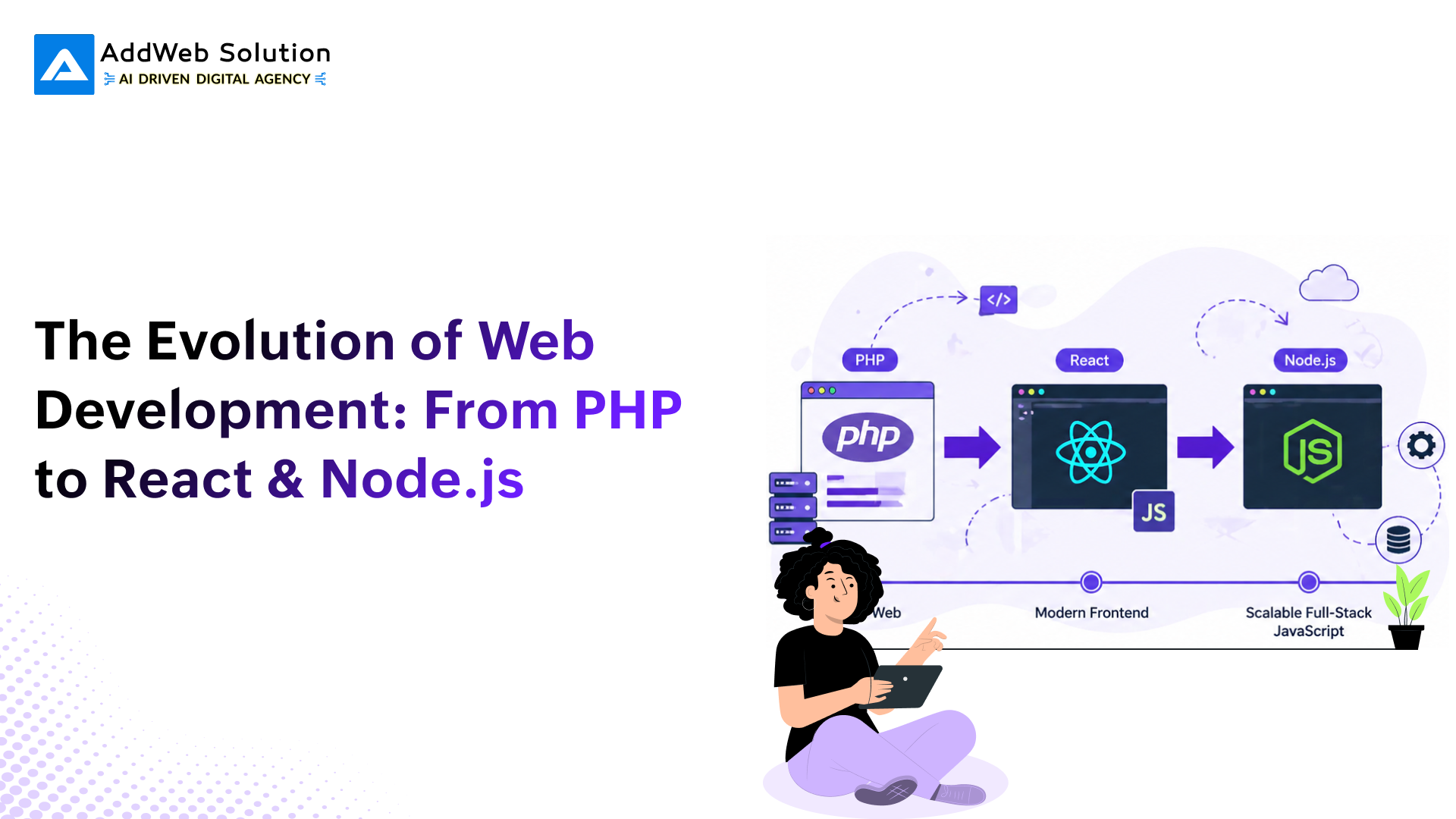
This transformation didn’t happen overnight. It was driven by the evolution of web development tools, from server-side workhorses like PHP to the dynamic, JavaScript-powered duo of React and Node.js.
This blog journey traces that evolution, blending history, technical breakthroughs, real-world examples, and data-driven insights. Whether you’re a startup founder scaling your SaaS app or a marketer building engaging LinkedIn content, understanding this shift equips you to make smarter tech decisions.
We’ll explore timelines, compare stacks with tables and charts, highlight adoption trends, and show how agencies like Addweb Solution can bridge the gap for businesses.
The Static Web Era: Birth of the Internet (1990s)
Web development began humbly. Tim Berners-Lee invented the World Wide Web in 1989, but practical building blocks emerged in the early ’90s.
Key Milestones
- 1993: First Website Goes Live – CERN’s info.cern.ch featured plain HTML text.
- 1994: Netscape Navigator – Introduced JavaScript (then Mocha), enabling basic client-side interactivity.
- 1995: PHP Debuts – Rasmus Lerdorf created PHP as a “Personal Home Page” tool for his site.

PHP Dominance: The Server-Side Revolution (2000-2010)
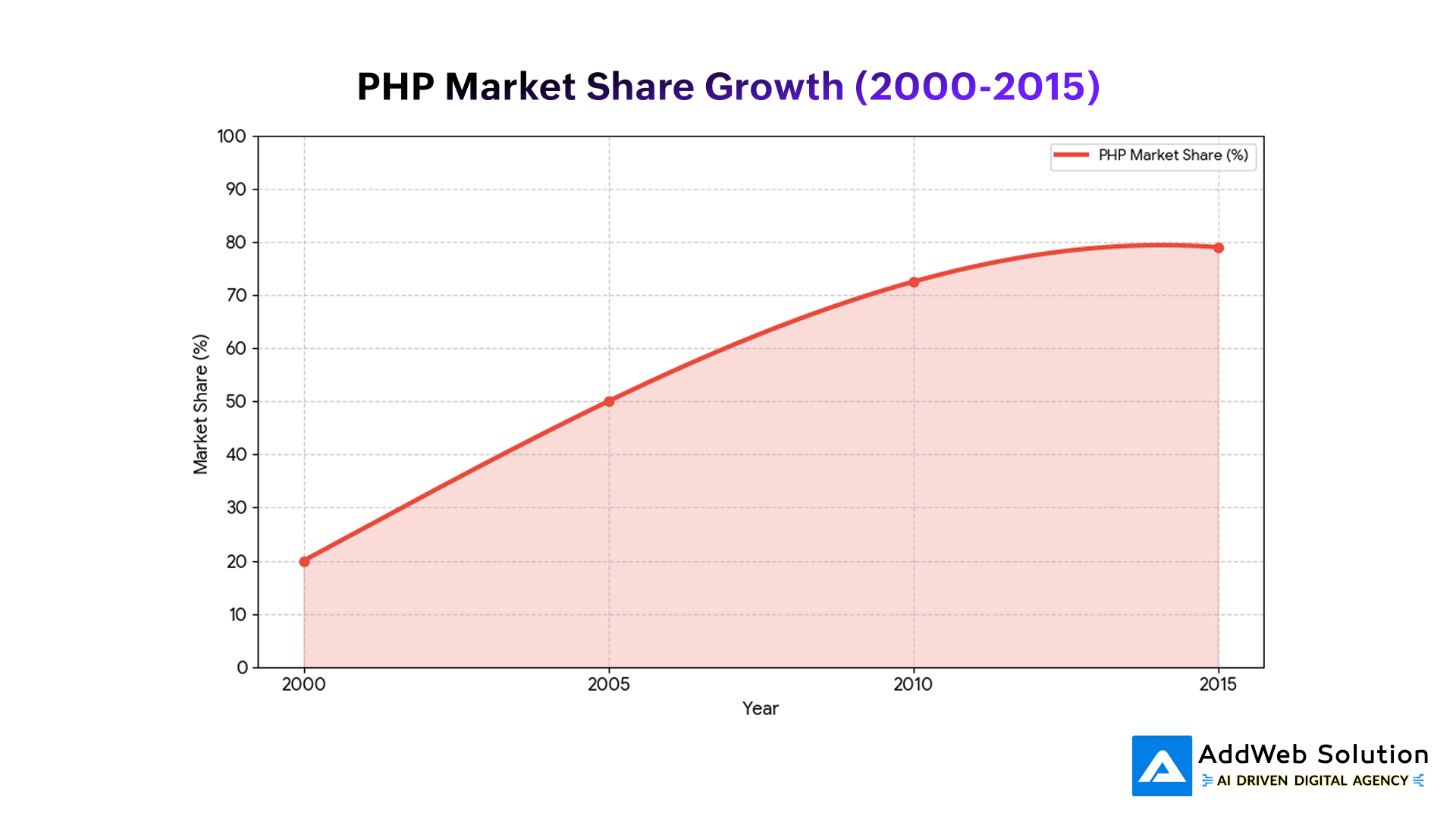
PHP became the web’s backbone. By 2004, it powered 70% of websites, including WordPress (launched 2003).
The JavaScript Awakening: jQuery and AJAX (2005-2012)
jQuery (2006) simplified JS. AJAX transformed UX.
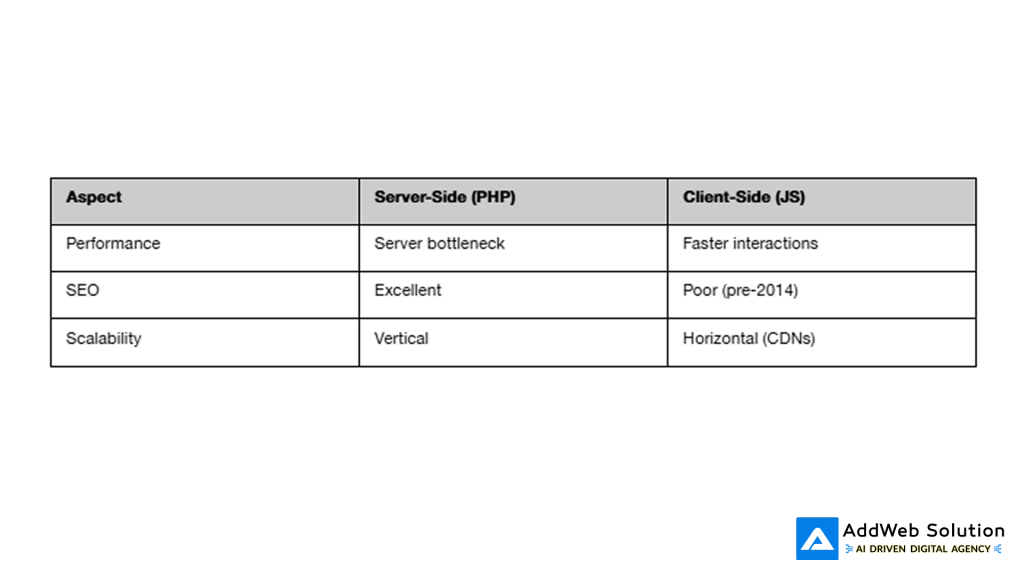
Node.js: JavaScript Everywhere (2010-2015)
Node.js enabled async servers.


React Emerges: The Frontend Revolution (2013-Present)
React’s Virtual DOM changed everything.




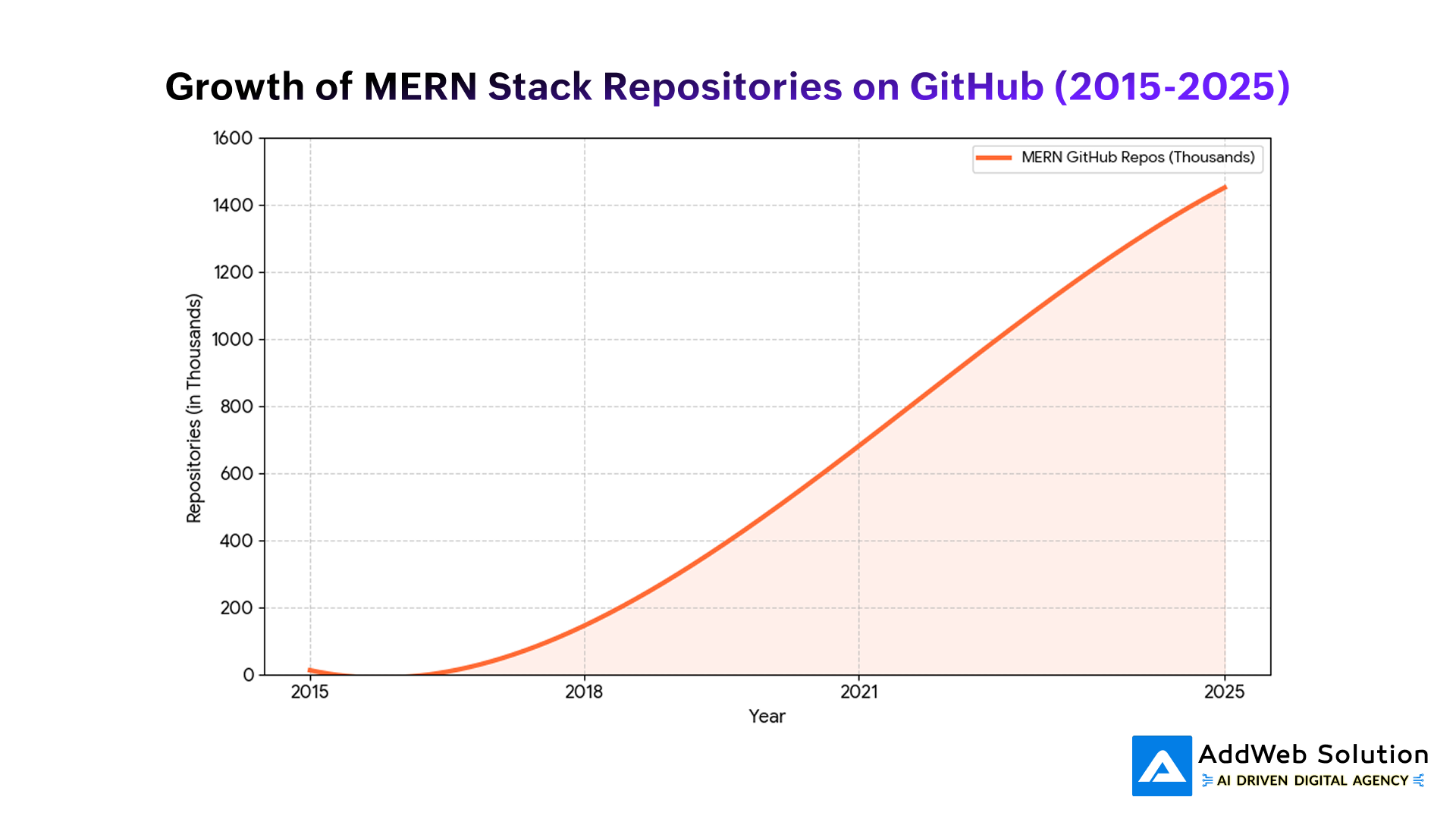
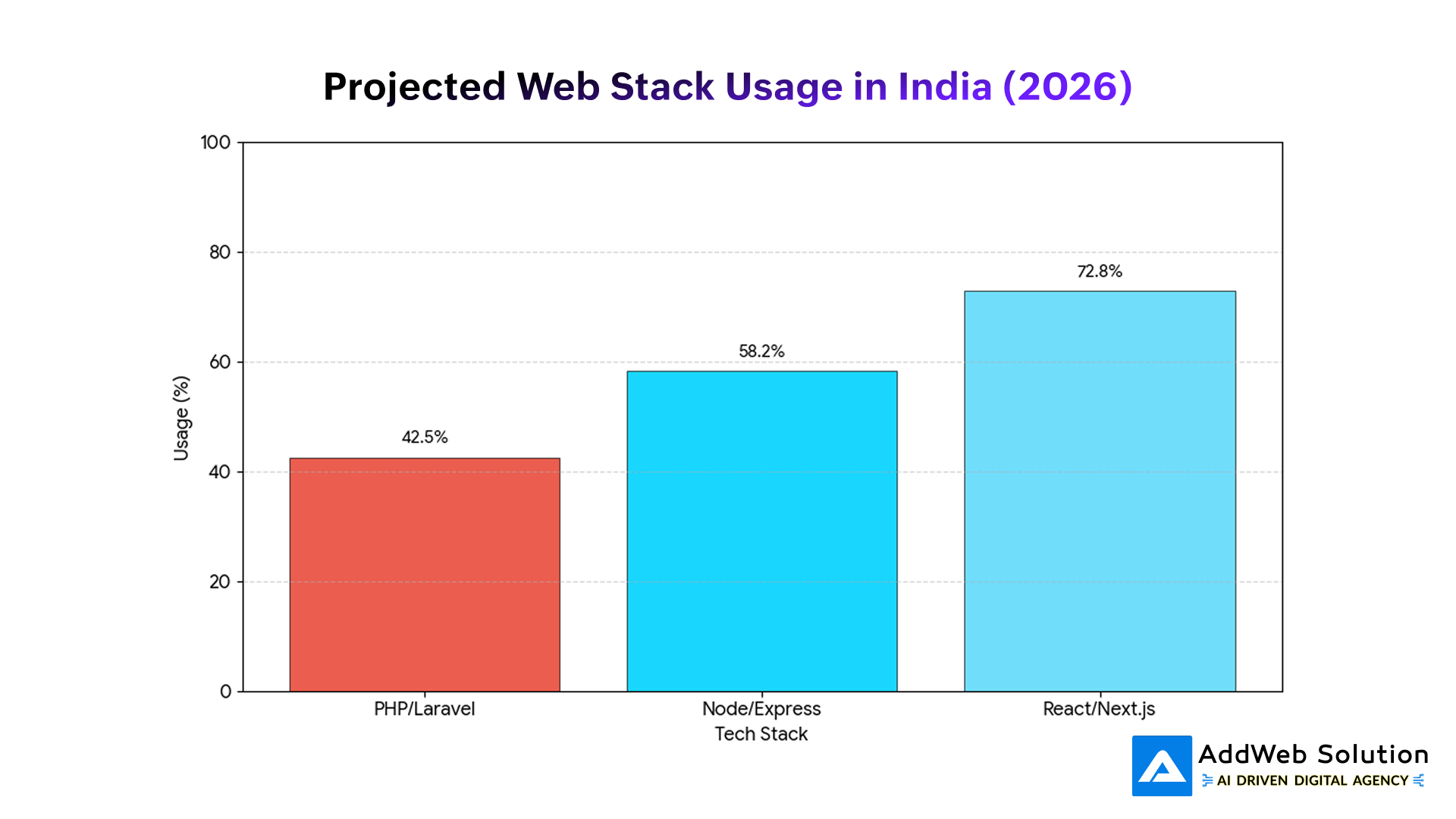
The MERN Era and Modern Landscape (2015-2026)

How Addweb Solution Can Help
Addweb helps businesses migrate from PHP to MERN.

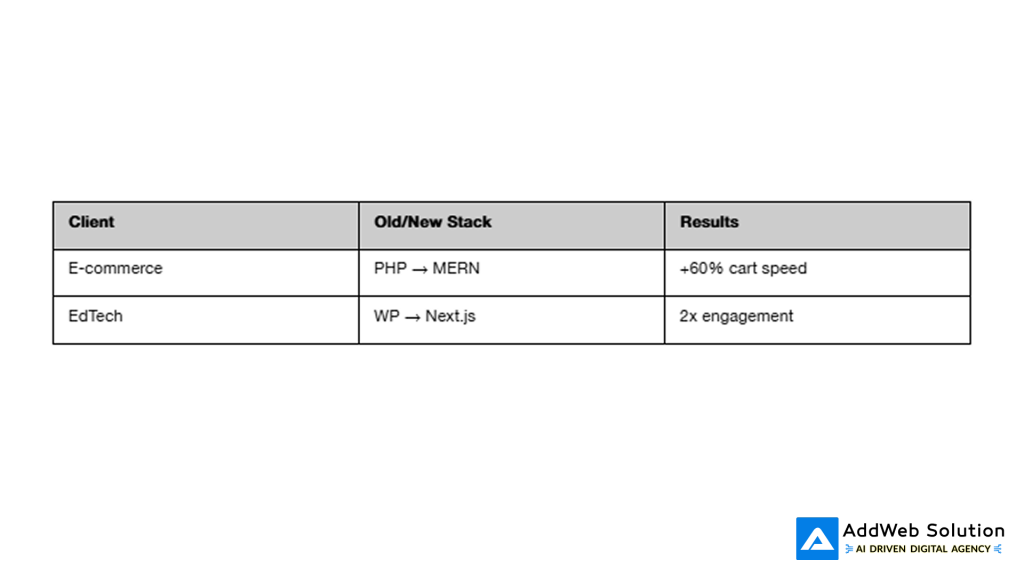
Conclusion: Choose Your Stack Wisely
From PHP to React/Node, evolution favors speed and scale. Partner with Addweb for seamless upgrades.
What stack are you building on next?
Upgrade to scalable React and Node.js solutions with expert guidance

Pooja Upadhyay
Director Of People Operations & Client Relations
