


Introduction
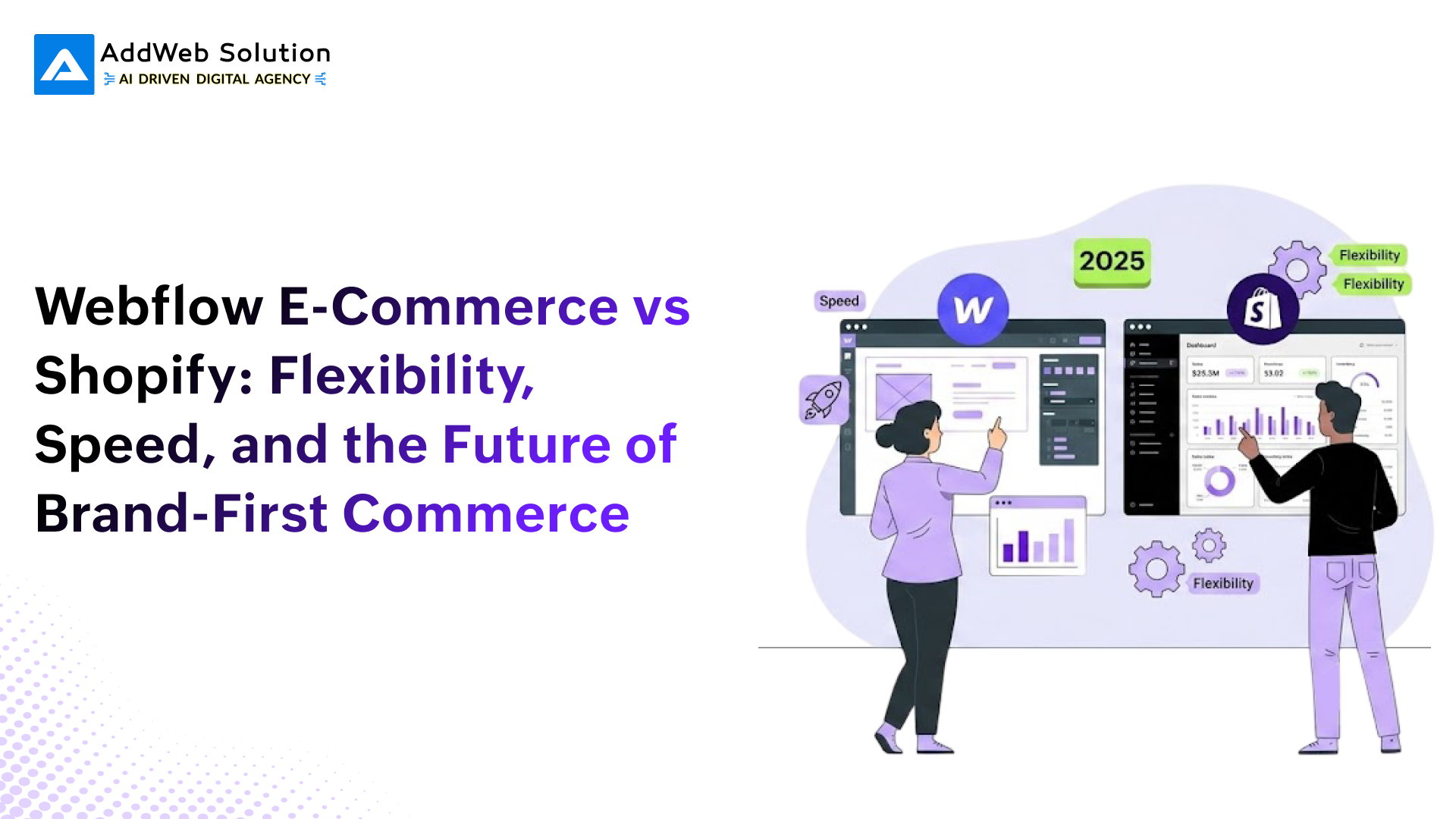
Webflow has quietly moved from being “the designer’s no-code tool” to a serious conversation starter in e-commerce. Shopify still owns the mass-market selling machine, but more teams now want stores that feel like a branded product experience instead of a templated storefront.
That shift matters because commerce is no longer judged only by checkout reliability. Brands now compete on page speed, editorial control, conversion-focused design, and how naturally the store blends content with shopping.
Why Webflow Matters
The real appeal of Webflow e-commerce is simple: it lets teams build a storefront that looks and behaves like a custom site without starting from scratch. Webflow’s own positioning is built around visual freedom, while its e-commerce product has evolved to support product pages, variants, checkout flows, and integrations.
This is especially useful for brands that sell fewer products but care deeply about presentation. Think premium DTC labels, B2B lead-gen stores, product launches, and content-led brands that want landing pages and storefronts to feel like one system.
Flexibility vs Depth
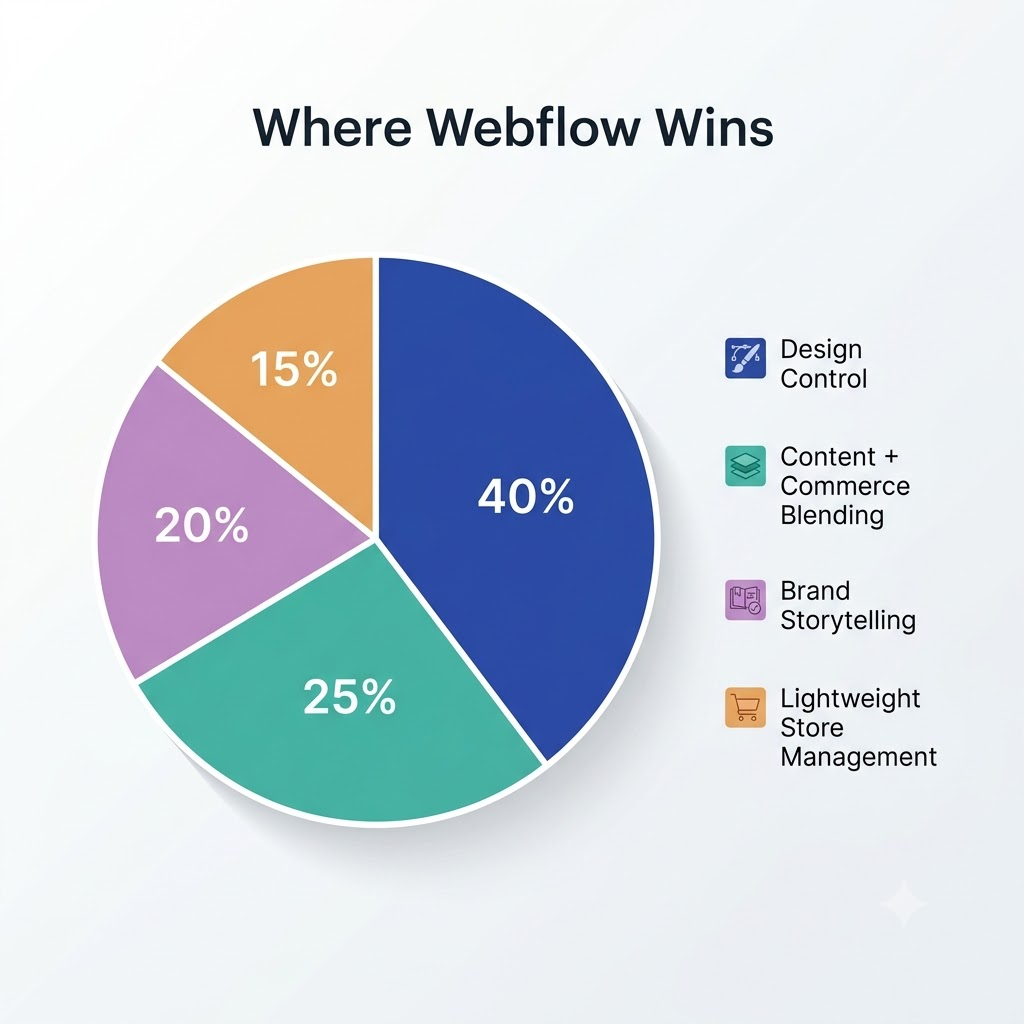
This is where the Webflow vs Shopify decision gets real. Webflow gives teams more control over layout, interactions, and page structure, while Shopify offers a broader commerce stack and a much larger marketplace of apps and services.
For teams that want pixel-level creative freedom, Webflow feels liberating. For teams that need mature inventory operations, POS, payment depth, and fast scaling with third-party tooling, Shopify is still the safer operational bet.
Comparison table



Speed and SEO
Speed is not just about loading fast; it is also about how quickly teams can build, publish, and iterate. Webflow’s visual workflow can shorten the path from concept to live campaign, especially for teams that do not want to wait on repeated developer cycles.
On the SEO side, Webflow is attractive because content and commerce can live closer together, which makes product storytelling, landing pages, and editorial commerce easier to manage in one place.
That is useful for modern acquisition strategies where blog content, product pages, and campaign pages need to support each other instead of sitting in separate silos.

Trend Snapshot
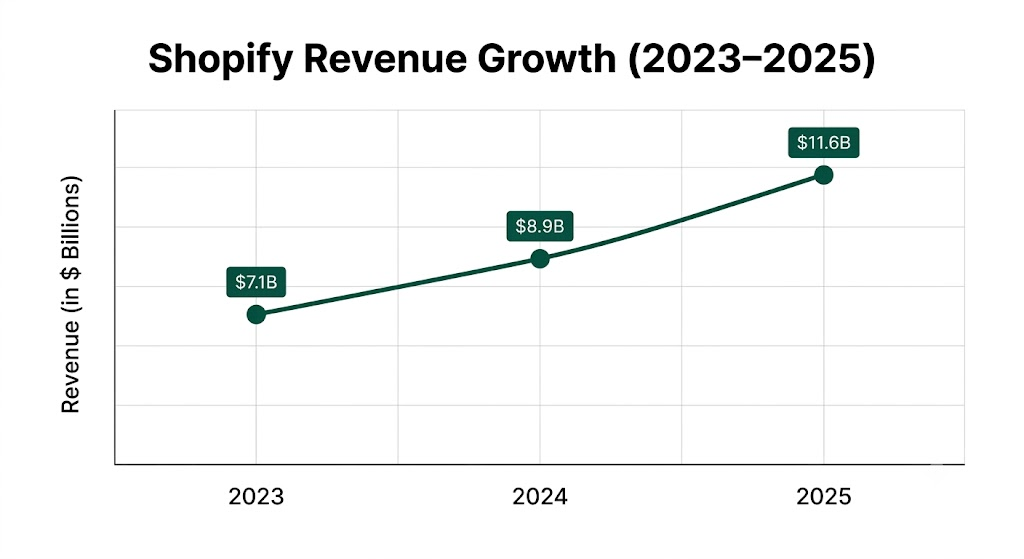
Shopify’s growth gives a useful benchmark for the wider market. In fiscal 2025, Shopify reported $11.6 billion in revenue and $378.4 billion in GMV, which shows how far commerce infrastructure can scale when merchant operations are deeply integrated.
That scale does not make Webflow irrelevant. It just highlights the lane Webflow is carving out: smaller or mid-sized brands that care less about being the biggest and more about being distinctive, fast-moving, and visually memorable.
Conclusion
Webflow is not trying to beat Shopify by copying Shopify. It is competing by making commerce feel more flexible, more editorial, and more design-native, which is exactly what many modern brands want.
If your growth strategy depends on fast experimentation, storytelling, and a storefront that feels custom without heavy engineering, Webflow deserves serious consideration. If the business needs a larger commerce engine with deeper operational muscle, Shopify still holds the stronger hand.
At AddWeb Solution, this is the kind of platform decision we help brands map to real business goals, not just feature checklists.
Need a storefront that’s as unique as your brand? Partner with AddWeb Solution for custom Webflow Development Services that combine stunning design with high performance.

Pooja Upadhyay
Director Of People Operations & Client Relations
Source URL
https://webflow.com/feature/ecommercewebflow
https://webflow.com/blog/webflow-ecommerce-is-now-in-betawebflow
https://webflow.com/pricingwebflow
https://webflow.com/vs/shopifywebflow
https://webflow.com/blog/content-ecommerce-webflow-appswebflow
